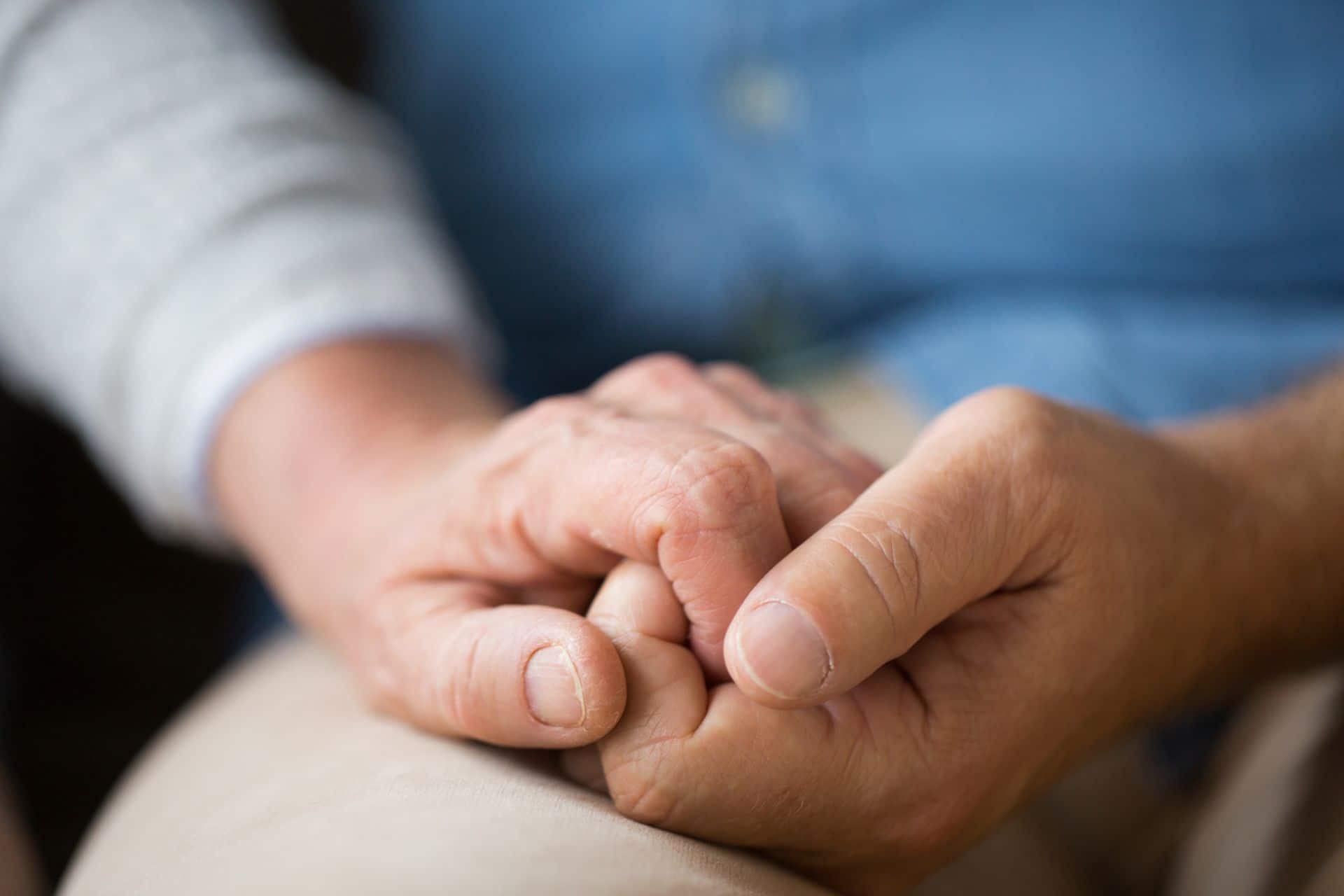
Norb Peil has been a care giver his entire life. A pastor for 20 years, he took early retirement and became a massage therapist, helping people rehabilitate from injuries. With a deep understanding of both emotional and physical trauma and recovery, he had no idea how his career path would help him personally with his wife and life-partner, Helen Anne.
A nurse for 35+ years, Helen Anne was diagnosed with Parkinson’s in 2018. They were living in Tucson, Arizona when a neurologist delivered the diagnosis, gave them a depressing book about life with Parkinson’s, and told them to get their affairs in order.
They both retired and decided to move to Austin to be closer to their daughter. They saw a flyer about CAPS at their neurologist’s office and started attending the seminars, Parkinson’s Connect, the monthly lunch & learns, and in-person support groups.
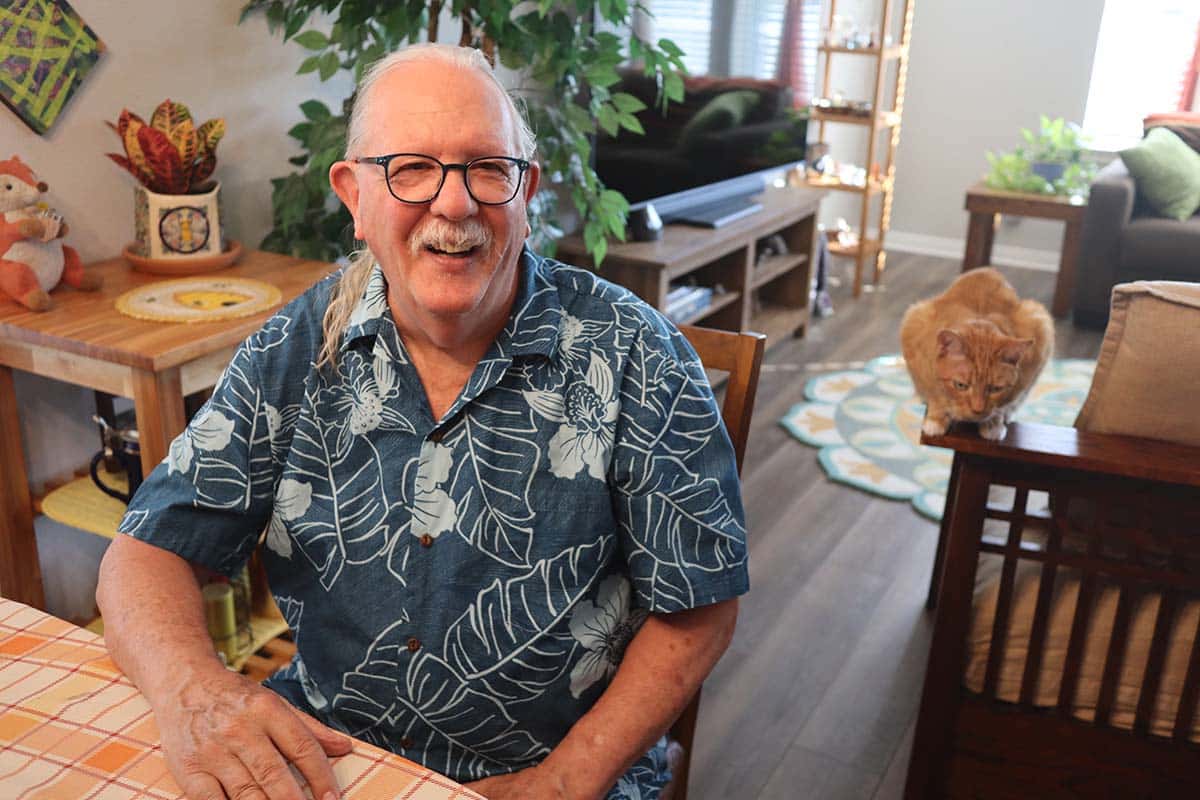
“Sitting on the outside, sometimes I don’t understand. CAPS is a place where I know I can get answers or get pointed in the right direction to find the answers. CAPS is such a gift to us both.”
Norb has learned how to handle delicate emotional swings that come with her disease. He has learned to ask questions rather than share his opinions. Not only has Helen Anne received proper treatment, it was discovered that she was being over-medicated in Arizona and a decrease in her Parkinson’s medications made her feel much better day to day.
They have also taken to heart the information provided by CAPS about the importance of exercise. Each morning, they walk at least a half an hour together with their dog. They also regularly attend boxing and tai chi classes. They have both noticed how exercise has slowed the progression of the disease. They are each other’s ‘accountability partners’, never missing a day of exercise.
Through CAPS they have found a community of friends that has changed their lives significantly for the better.
“It helps to be able to listen and share. It really helps during those times when things feel pretty thin. We no longer feel isolated. We have made lifelong friends through CAPS and it really does make a difference.”
Norb and Helen Anne’s regular attendance at CAPS programs has not only provided critical information to them about the disease, but allowed Norb to continue to develop as a care partner, a role that perhaps he had been unknowingly preparing for all his life.