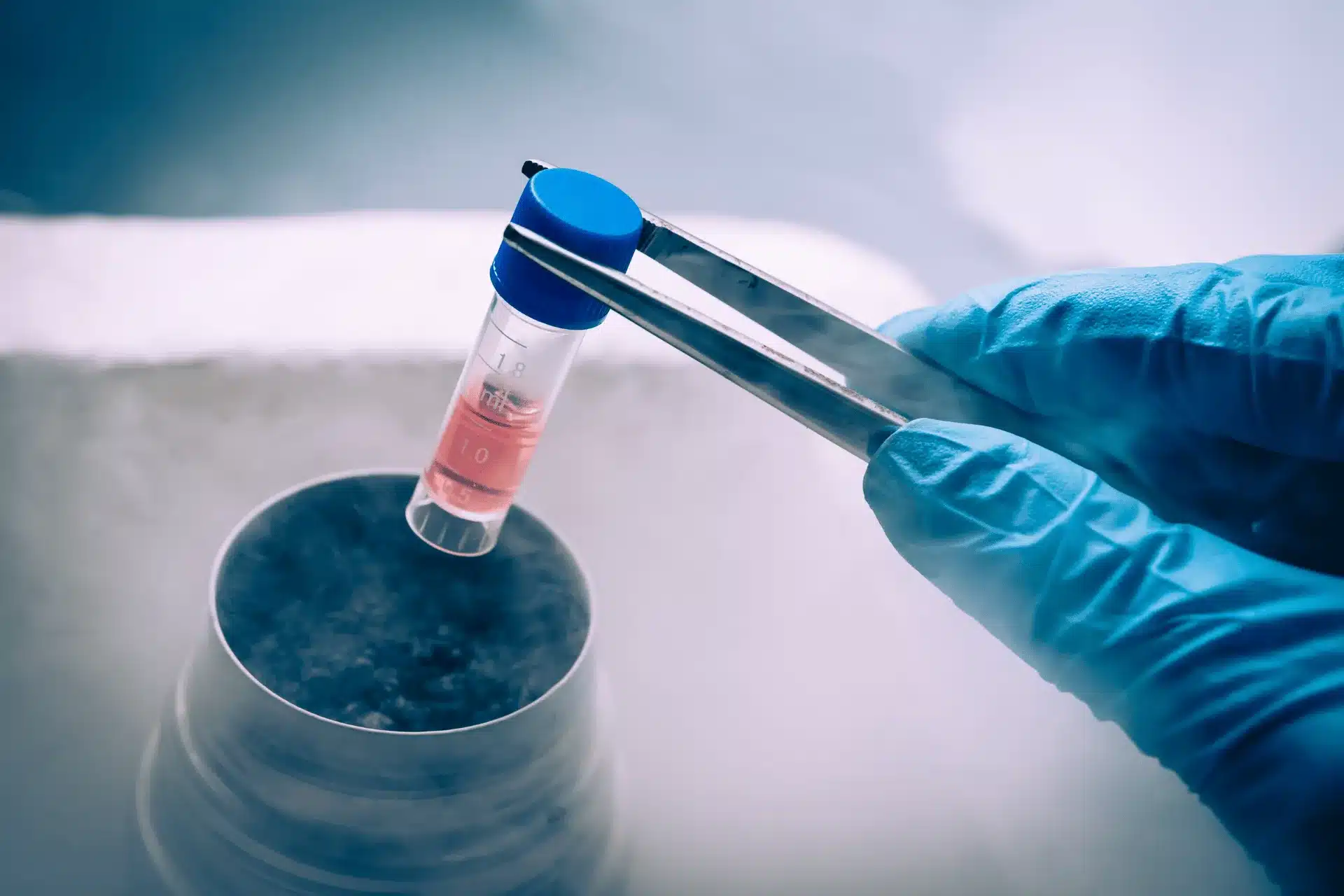
After a recent study out of Japan made headlines, my patients started asking a lot of great questions about the use of stem cell therapy for Parkinson’s. Today, I want to break down what happened in that study, what it means for the future of PD treatment, and what you need to look out for right now.
Breaking Down the Recent Japan Study
Essentially, this study followed seven patients who underwent a procedure where stem cells were transplanted directly into the basal ganglia, which is the region of the brain deeply involved in movement control.
Over a two-year follow-up period, the results were highly encouraging:
Motor Improvements. Most patients showed measurable improvements in their motor score examinations.
New Brain Activity. Advanced brain imaging actually showed new dopamine activity in the areas where the cells were transplanted.
Safety. Perhaps most importantly, there were no reported side effects within this small group.
Because of these results, this specific therapy has been conditionally approved for use in Japan. However, it is not yet approved in the United States.
How Do Stem Cells Work for Parkinson’s?
Think of stem cells as “blank slate” cells. They are specialized cells that have the unique ability to transform into other types of cells.
In Parkinson’s disease, the brain loses the vital cells that produce dopamine (the chemical messenger responsible for smooth muscle movement). The goal of this therapy is to introduce stem cells that will transform into brand-new dopamine-producing cells, basically replacing what the disease has taken away.
Why Isn’t It Available in the U.S. Yet?
While the data from Japan is exciting, science moves carefully for a reason. As mentioned above, this study only looked at seven people. Before a treatment like this becomes widely available in the States, researchers still need to answer several massive questions, including:
- What is the ideal type of stem cell to use?
- What is the safest route of administration, the correct dosage, and how frequently do they need to be given?
- What does long-term safety look like past the two-year mark?
- Which patients will benefit the most, and at what stage of the disease should we start the treatment?
Is This Stem Cell Treatment Moving Forward in the U.S.?
We aren’t sitting on the sidelines. There are several ongoing clinical trials right here in the U.S. In fact, I have several patients currently enrolled in these trials who are doing well overall, which is incredibly heartening.
That said, it’s important to keep a balanced perspective: other past trials have shown no real improvement. Science is a journey of trial and error.
A Vital Warning on Scams
Because stem cell therapy is a buzzword, the private industry around it is currently not tightly regulated. There are many clinics offering unproven, expensive “stem cell cures.”
Please beware of these scams. If a treatment is legitimate, it will be part of an official, regulated clinical trial.
Looking ahead, the future of Parkinson’s treatment likely won’t rely on a single “silver bullet.” Instead, we are looking at a combination treatment approach. The most effective care plan will likely weave stem cell therapy together with traditional medications, targeted physical therapy, and potentially even gene therapy.
Interested in exploring active, regulated stem cell research? You can find a complete list of ongoing, official U.S. trials by searching “Parkinson’s stem cells” at clinicaltrials.gov.